

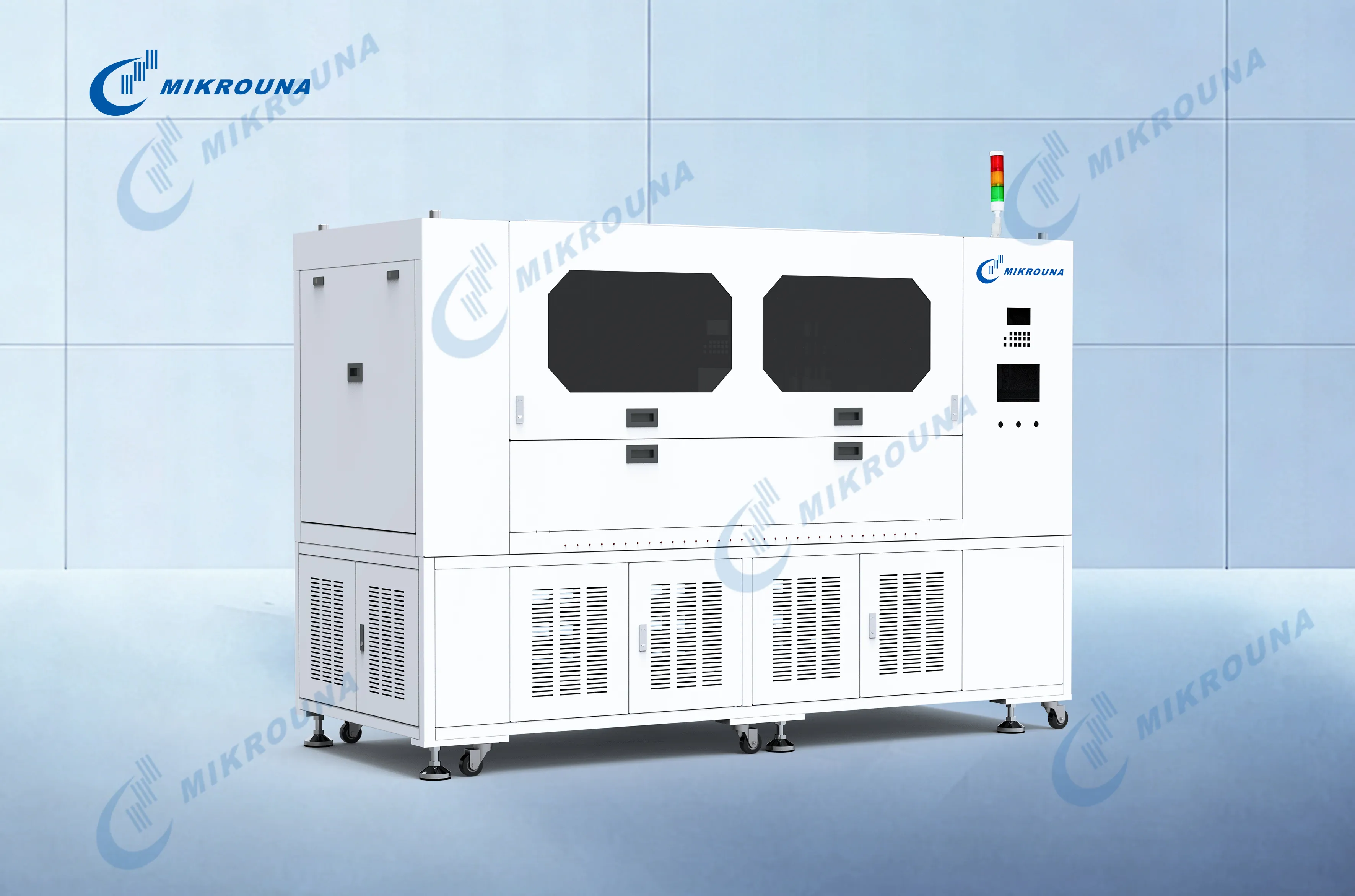
What is a horizontal press formation machine?
In the lithium battery manufacturing process, formation and capacity testing are the core steps that determine cell consistency, cycle life, and safety performance. As power batteries and energy storage batteries evolve towards larger capacity and higher energy density, traditional formation methods are no longer sufficient to meet the stringent requirements for electrode interface structure. Against this backdrop, the horizontal pressure formation testing machine for lithium batteries has become an indispensable key piece of equipment in modern battery production lines.
I. Why is it necessary to combine "lying position" with "pressure"?
The essence of the formation process is to activate the electrode material through the first charge and discharge and form a stable SEI film on the surface of the negative electrode. If this process relies solely on natural bonding, the contact between the electrode and the separator will not be uniform, which can easily lead to problems such as uneven current distribution and lithium dendrite precipitation.
The core logic of the horizontal pressure formation testing machinelies in applying constant or stepped mechanical pressure to the battery cell while it is lying flat. Compared to traditional vertical clamps, the horizontal structure ensures that large-sized cells are subjected to more uniform force when under pressure, avoiding uneven electrolyte distribution caused by gravity. At the same time, precise pressure control can significantly improve interface contact and reduce internal resistance, thereby improving the rate performance and cycle life of the battery cell.
II. Key Parameters and Functional Modules of the Equipment
A standard horizontal pressure formation testing machine typically integrates three major systems: mechanical pressurization, electrical testing, and temperature management. From a technical perspective, users should focus on the following dimensions:
●Pressure control accuracy and range: Depending on the cell design, the equipment needs to provide an adjustable pressure range, such as from tens of kilograms to several tons, and interlayer pressure fluctuations need to be controlled within a very small range to ensure batch consistency.
●Channel independence and detection capability: The formation tester must have the ability to independently control multiple channels. Each channel can be independently set to charge and discharge steps, and the voltage, current and capacity changes can be monitored in real time to accurately screen out cells with micro-short circuits or abnormal capacity.
●Temperature uniformity: The cells generate significant heat during the formation process, and the equipment must have effective heat conduction to prevent local overheating from causing the diaphragm to close.
●Automation compatibility: Modern production lines require equipment to seamlessly integrate with logistics lines and NG sorting mechanisms to reduce manual intervention.
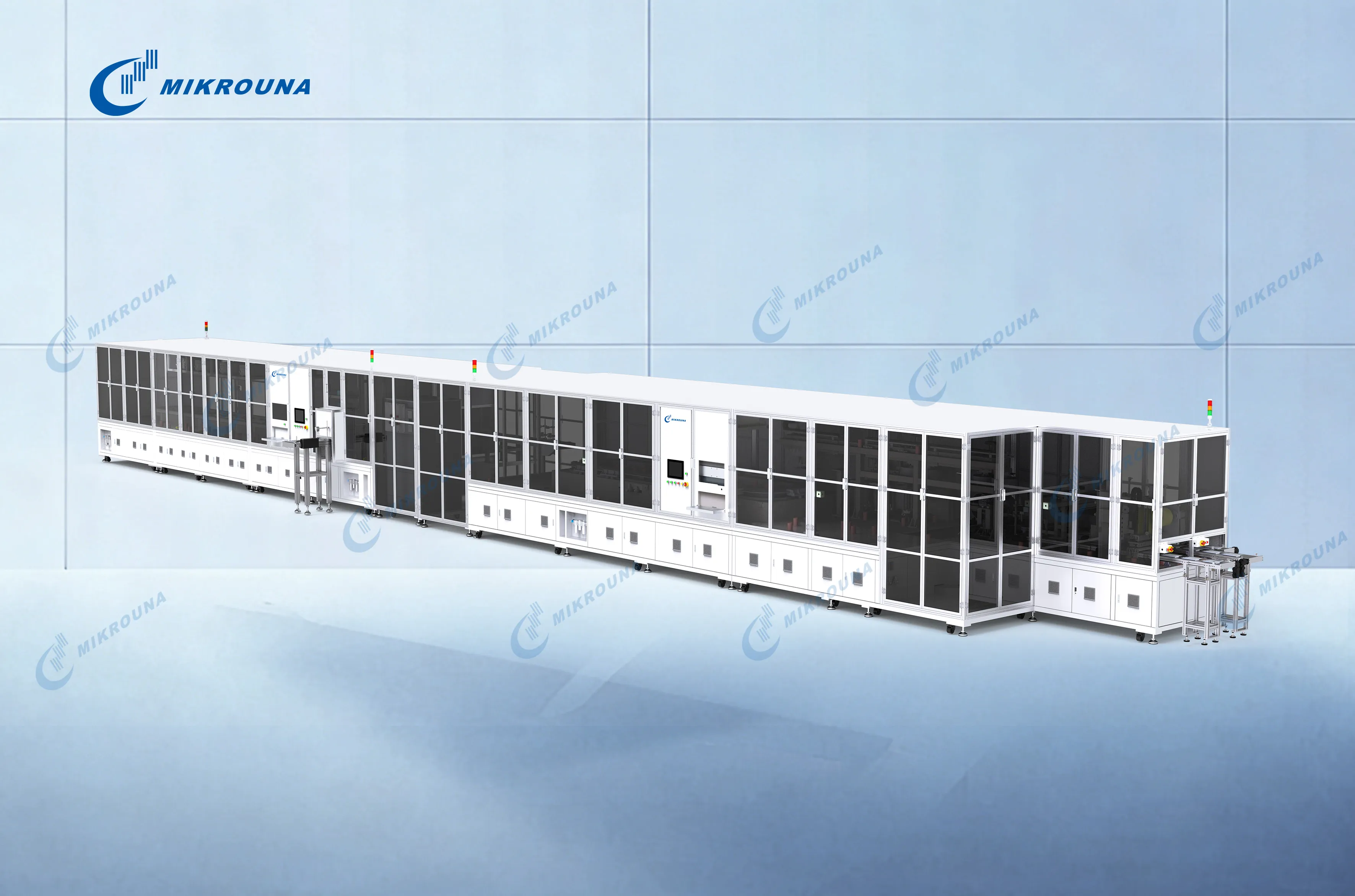
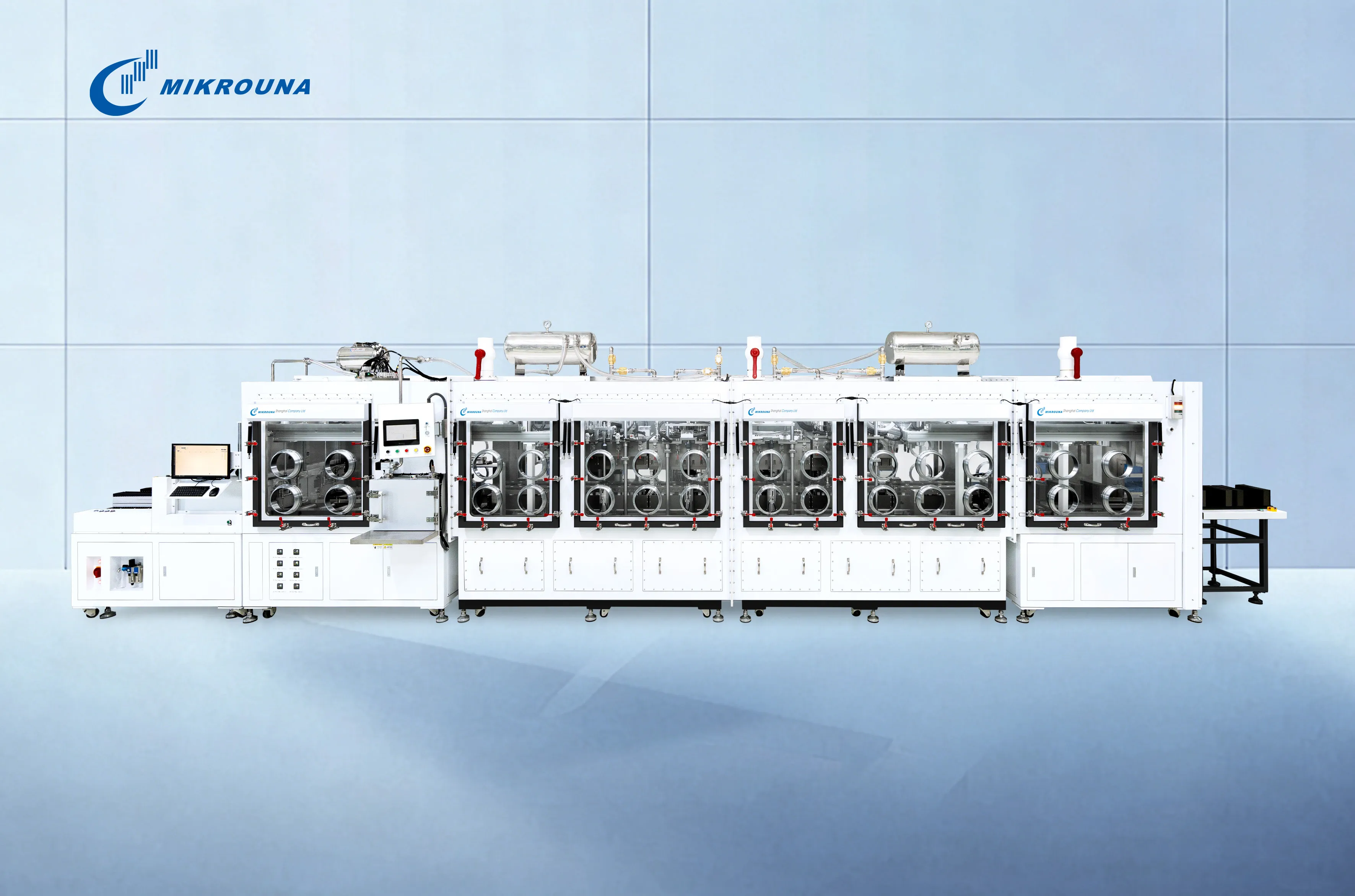
In this field, mikrouna's horizontal pressure formation testing machine for lithium batteries adopts a modular design, which can be customized to non-standard requirements by adjusting the interlayer spacing and pressure parameters according to different cell sizes. This feature allows it to be flexibly integrated into pilot production lines or large-scale mass production lines.

III. Application Scenarios and Selection Recommendations
Horizontal pressure formation testing machines are not standard products; their selection must be closely aligned with the cell manufacturing process. For high-nickel ternary cells, more precise pressure closed-loop control is often required to remove gas between the electrodes; while for lithium iron phosphate energy storage cells, the long-term operational stability and energy consumption performance of the equipment are of greater importance.
IV. Conclusion
The horizontal pressure formation testing machine for lithium batteries is not a simple "pressurized charging cabinet," but a systematic piece of equipment that integrates precision mechanics, power electronics, and electrochemical theories. Understanding the underlying logic can help battery companies find the best balance between improving yield and reducing manufacturing costs. As battery technology iterates at an accelerated pace, these devices, which combine flexibility and precision, will play an increasingly important role.
-
-

-
 2024-06-01
 -
 2026-10-09
 -
 2026-10-12



Mikrouna,Far beyond an equipment supplier — your long-term strategic partner for battery technology upgrading!