

What is a pouch cell injection machine?
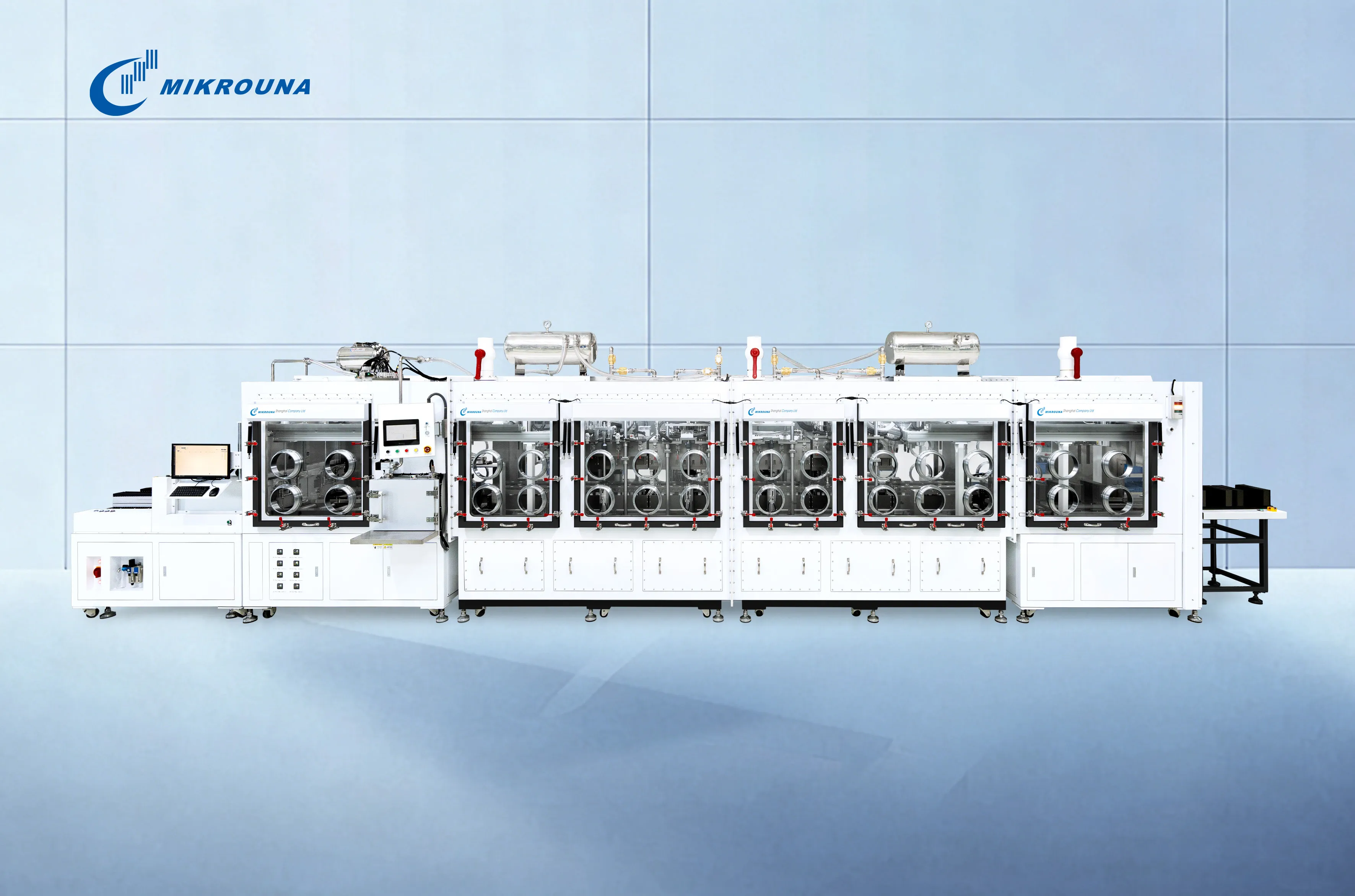
The pouch cell electrolyte filling machine is one of the key pieces of equipment in the lithium battery production line. Its main task is to quantitatively inject electrolyte into the cell under controlled conditions, including steps such as scanning and weighing before filling, filling, settling, sealing, and scanning and weighing after filling. It may seem like just "filling electrolyte", but it actually involves vacuum control, precision metering, temperature control, automated logistics, and data traceability.
I. What does a pouch cell electrolyte injection machine do?
Electrolyte is known as the "blood" of a battery, and electrolyte filling is a crucial step in battery production. The filling machine precisely injects the electrolyte into the battery cell. The quality of the filling and sealing directly affects the battery's lifespan and safety. The filling machine needs to record cell information before filling, confirm weight changes after filling, and use a vacuum environment to help the electrolyte permeate the electrodes and separator. Automated equipment also removes defective products to prevent them from flowing into subsequent processes.
II. What are the core processes?
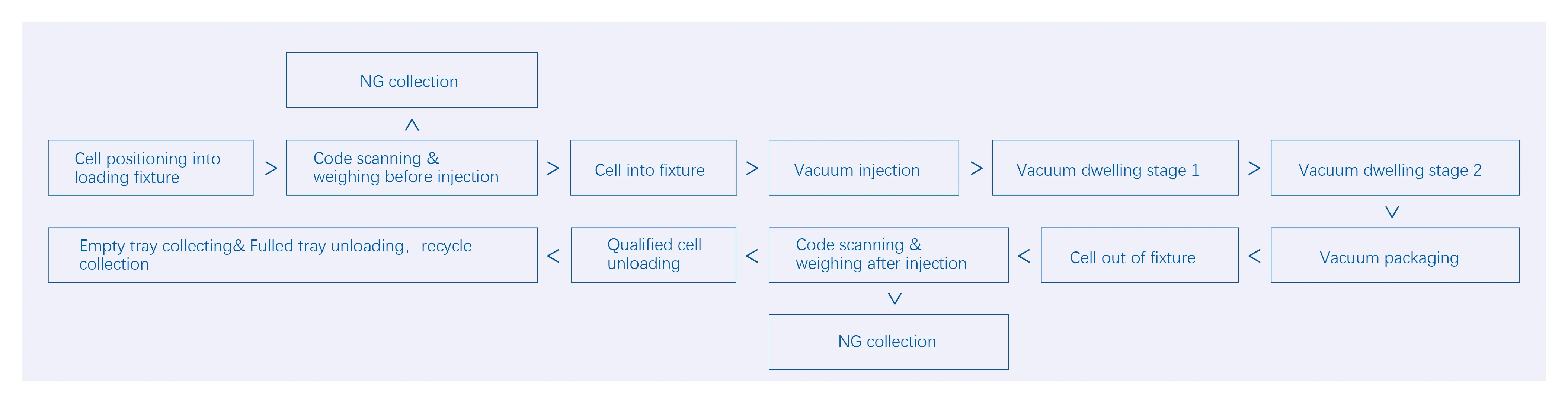
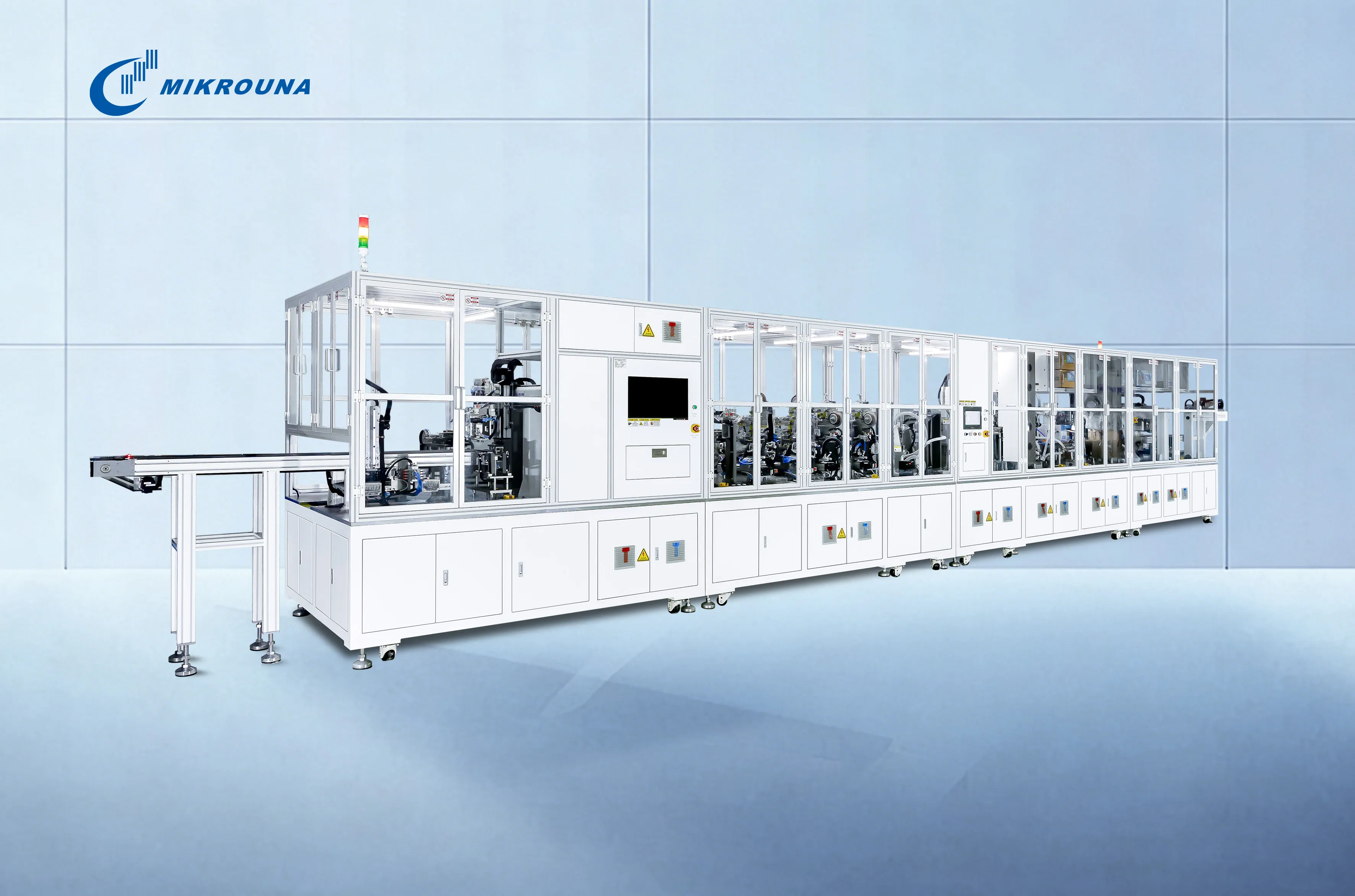
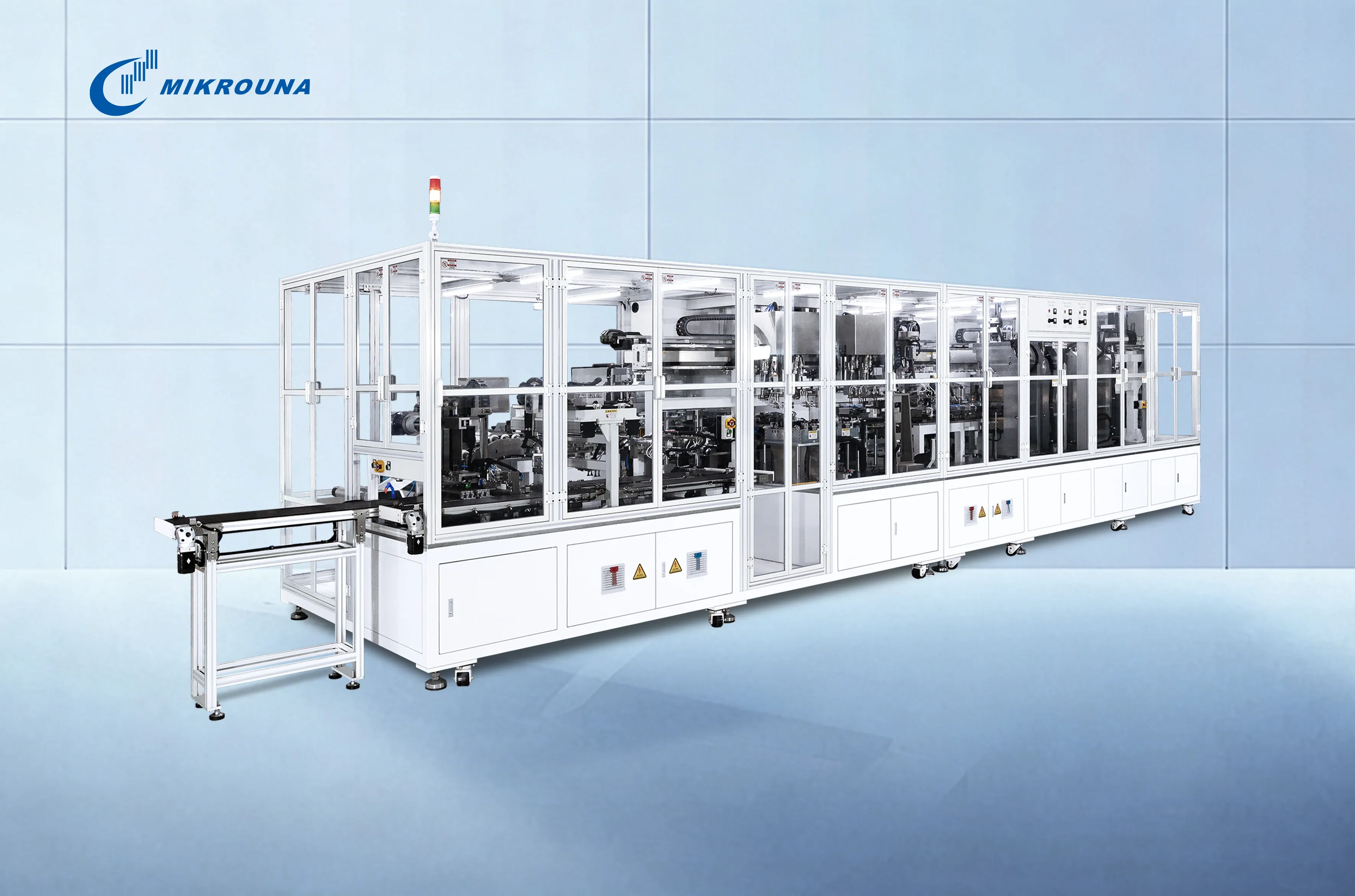
Taking the Mikrouna linear pouch cell filling machine as an example, the common process includes: pre-filling barcode scanning, weighing, automatic vacuum filling, vacuum settling, automatic vacuum sealing, post-filling barcode scanning and weighing, material box collection, and automatic discharge of defective products. The data information management system can record battery weight and other information for easy traceability. This process design reduces manual intervention and improves batch consistency.
III. How to Interpret Key Parameters?
When evaluating a pouch cell injection machine, one cannot focus solely on the "injection speed." Injection volume accuracy, vacuum level, settling method, and sealing temperature are all crucial. For example, an injection volume (≥50g) accuracy of ±1% helps control electrolyte usage; a vacuum level ≤-60kPa facilitates the removal of internal gases from the battery cell; a stepped vacuum settling method between -30 and -95kPa, with an adjustable time of 1 to 120 seconds, adaptable to different impregnation processes; a sealing head temperature of 25~250°C with an accuracy of ±3°C, combined with a serrated sealing head, reduces the risk of leakage.
The electronic scale accuracy is ±0.01g. High-end pouch cell injection machines should also be compatible with various battery cell sizes, such as those with a height of 150~300mm, a total height ≤330mm, and a thickness of 5~30mm.
In the equipment solution, mikrouna's linear/rotary pouch cell injection machine can be customized for different pouch cell heights, thicknesses, and production line cycles to better meet specific process requirements.
IV. What else should be considered when selecting a model?
Besides the specifications, compatibility with existing production lines is crucial, including cell size range, material box type, cycle time requirements, data interface, and defective product handling methods. Laboratory and pilot lines may prioritize changeover flexibility, while mass production lines focus more on stability, uptime, and ease of maintenance. If the process has specific requirements, the adjustability and customization of equipment modules will also affect subsequent operating costs.
V. Conclusion
The pouch cell injection machine is a crucial piece of equipment connecting the cell assembly and formation processes. Through vacuum injection, settling, sealing, and data management, it helps pouch cell achieve more stable injection volumes and better wetting effects.
-
 2026-08-21
 -
-
-
-
 2024-06-01



Mikrouna,Far beyond an equipment supplier — your long-term strategic partner for battery technology upgrading!