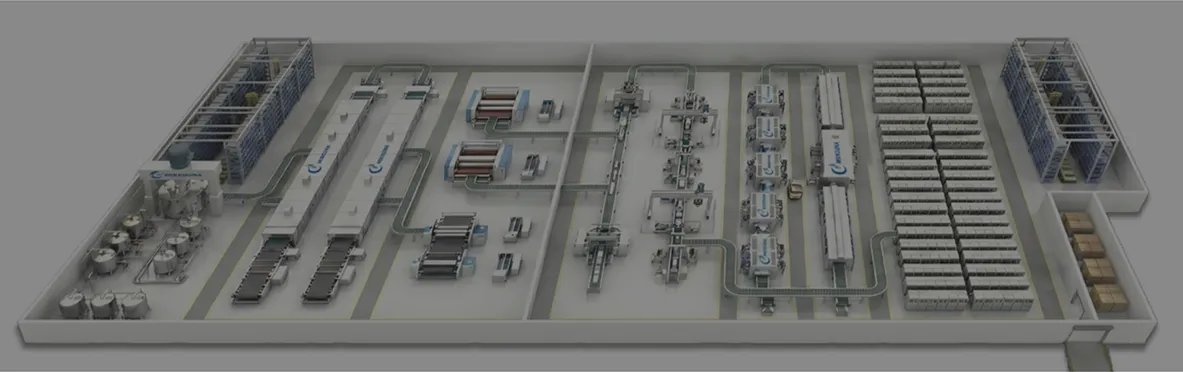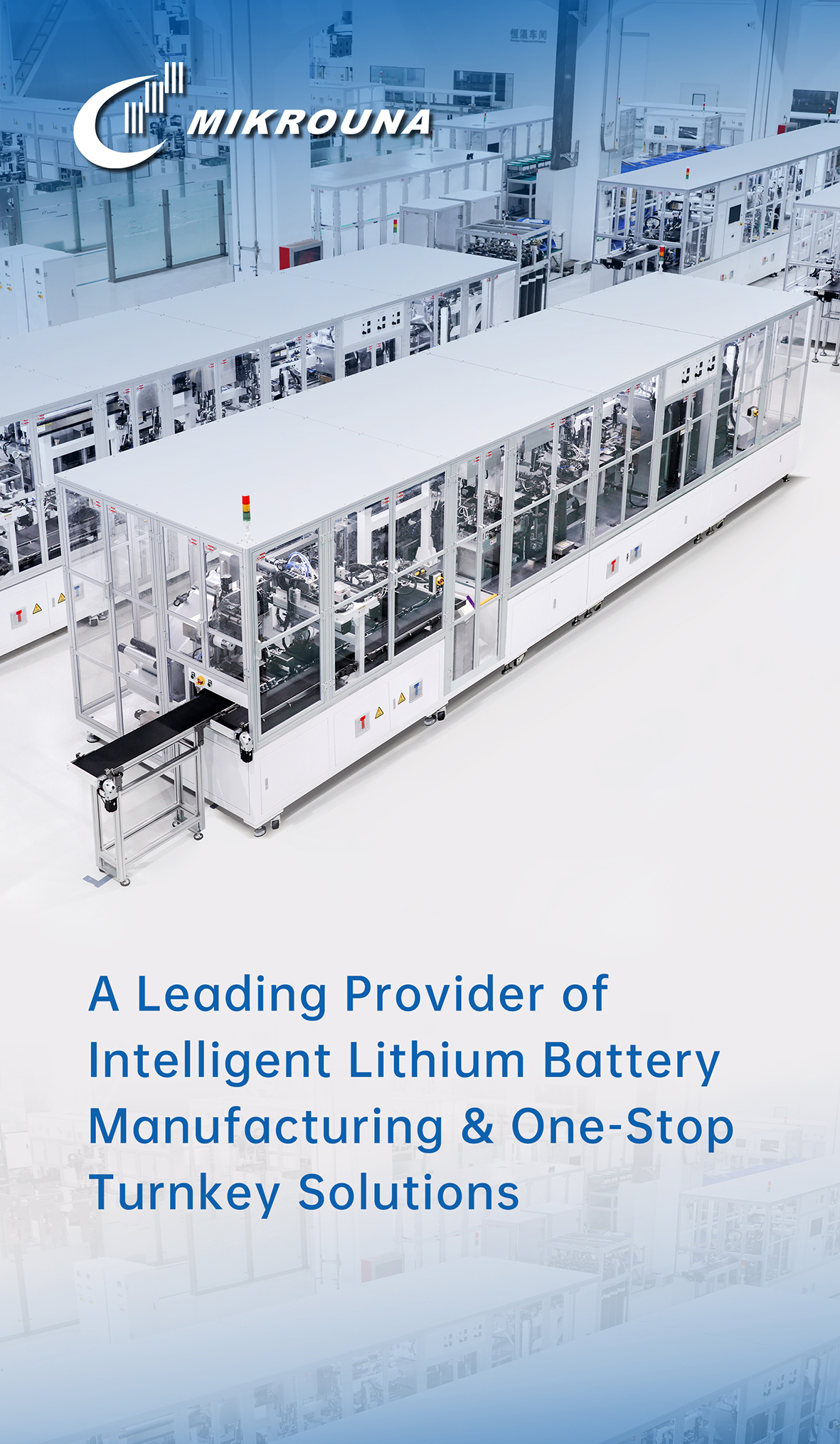


What is a lithium battery coating machine?
In lithium-ion battery manufacturing, the quality of the electrodes directly determines the battery's energy density, cycle life, and safety performance. The core process of electrode preparation—uniformly coating positive and negative electrode slurries onto copper or aluminum foil substrates with micron-level precision—relies on a crucial piece of equipment: a coating machine.
So, what exactly is a coating machine? What role does it play in lithium battery production?
I. What is a Coating Machine?
Simply put, a coating machine is an industrial device that uses extremely high precision to uniformly coat liquid or paste-like electrode slurry onto the surface of a continuous metal foil, and then dries and cures it to form a functional layer with a specific thickness and areal density.
In the production of lithium-ion batteries and solid-state batteries, coating is the first critical step in electrode preparation. The consistency of the coating layer thickness, the stability of the areal density, and the adhesion between the coating and the foil directly determine the cell's capacity, internal resistance distribution, and thermal safety boundaries. It can be said that the coating machine is the "cornerstone" of lithium battery manufacturing.

II. Five Core Structural Modules of a Coating Machine
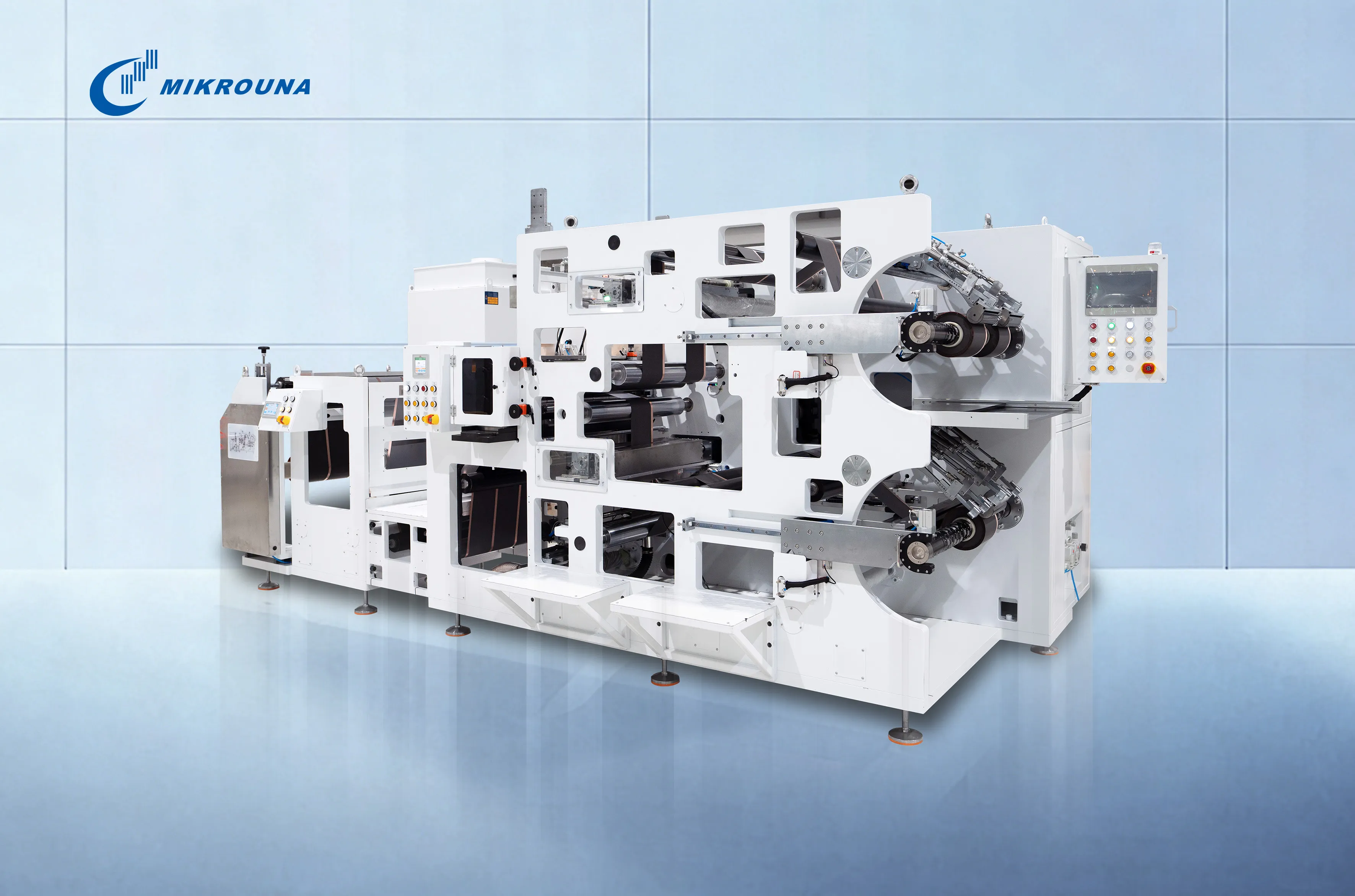
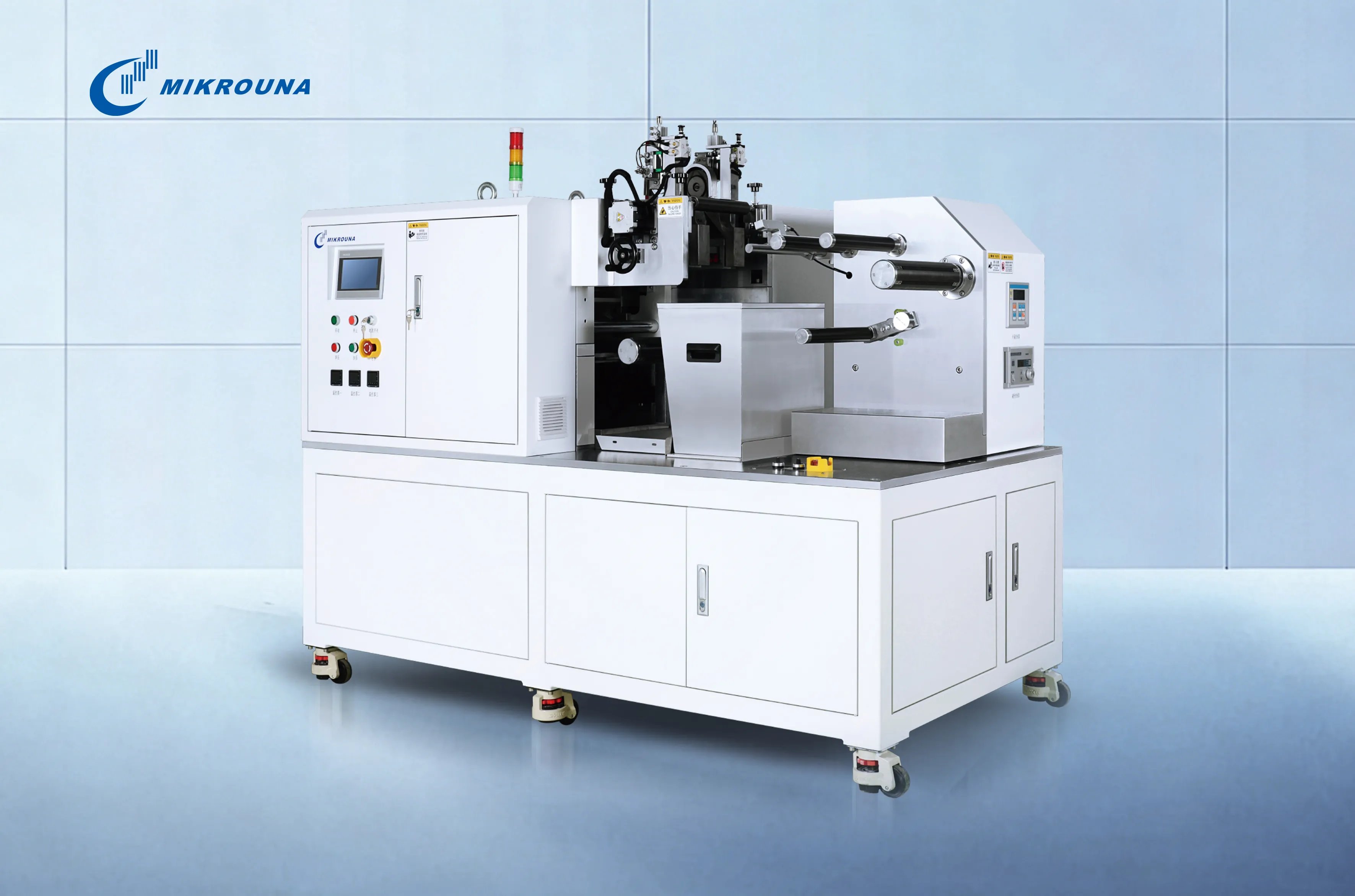
A high-precision coating machine for the lithium battery industry typically operates through the coordinated operation of the following five modules:
Unwinding System: Carries the copper/aluminum foil substrate and achieves continuous and stable feeding through precise tension control, ensuring the foil is wrinkle-free and without deviation before entering the coating area.
Coating Head/Machine Head: The "heart" of the equipment, responsible for precisely and quantitatively coating the positive and negative electrode slurries onto the foil surface at a specified thickness and shape. It is the core technology carrier guiding the coating machine.
Drying System: Utilizes multi-stage hot air or infrared heating to efficiently evaporate NMP or water-based solvents in the coating, stabilizing the wet film into a dry film and preventing cracking and powdering.
Correction and Tension Control System: Monitors the foil's conveyor belt trajectory in real time, preventing deviation during high-speed coating and ensuring the flatness and alignment accuracy of the coating area.
Rewinding System: Neatly winds the dried electrode products, providing qualified material for subsequent rolling, slitting, and winding processes.

III. Mainstream Coating Processes in the Lithium-ion Battery Industry
To address the high solids content, high viscosity, and stringent coating thickness requirements of lithium-ion battery slurries, the industry primarily employs the following processes:
Slot Die Coating: Utilizing a high-precision slotted coating head to quantitatively extrude the slurry, this process offers high coating accuracy and good coating consistency. It supports continuous or intermittent coating and is currently the dominant process for producing electrode sheets for power and energy storage batteries.
Microgravure/Gravure Coating: Relying on cell rollers to transfer the slurry, this process can achieve ultra-thin coatings and is commonly used in the preparation of cutting-edge materials such as solid electrolyte membranes, functional separator coatings, and ultra-thin lithium anodes.
Transfer Coating: This process controls the slurry transfer through roller gap control. It offers strong equipment adaptability and is widely used in lithium-ion battery pilot lines and material research and development.
IV. High Precision and Digitalization: The Technological Evolution of Lithium-ion Battery Coating
As the requirements for energy density and consistency in power batteries continue to rise, traditional coating equipment is rapidly upgrading towards higher precision, multi-process compatibility, and full-process digitalization.
In the pilot-scale and research fields of lithium-ion batteries, various types of combined coating machines have achieved flexible switching between multiple coating heads such as extrusion, transfer, and micro-concave coatings, and integrated full-process digital automatic control of unwinding correction, multi-stage drying, and rewinding. These machines support full-module customization and can uniformly coat slurry onto substrates such as copper foil with micron-level ultra-high precision, providing key technical support for the stable preparation of cutting-edge battery materials such as ultra-thin lithium anodes, high-nickel cathodes, and solid-state electrolytes.
V. Conclusion
In the lithium-ion battery manufacturing system, the mikrouna machine is not merely a piece of equipment, but a bridge connecting material formulation and cell performance. From tension guidance and precise quantitative coating to stable drying and curing, each step directly affects the final quality of the electrode sheet.
A deep understanding of the structural principles and process modes of the Microna coating machine helps in selecting more suitable coating solutions for the large-scale mass production of power batteries and the research and development of next-generation battery materials, thereby achieving a better balance between energy density and safety.
-
 2026-08-21
 -
-
 2026-10-12
 -
-



Mikrouna,Far beyond an equipment supplier — your long-term strategic partner for battery technology upgrading!