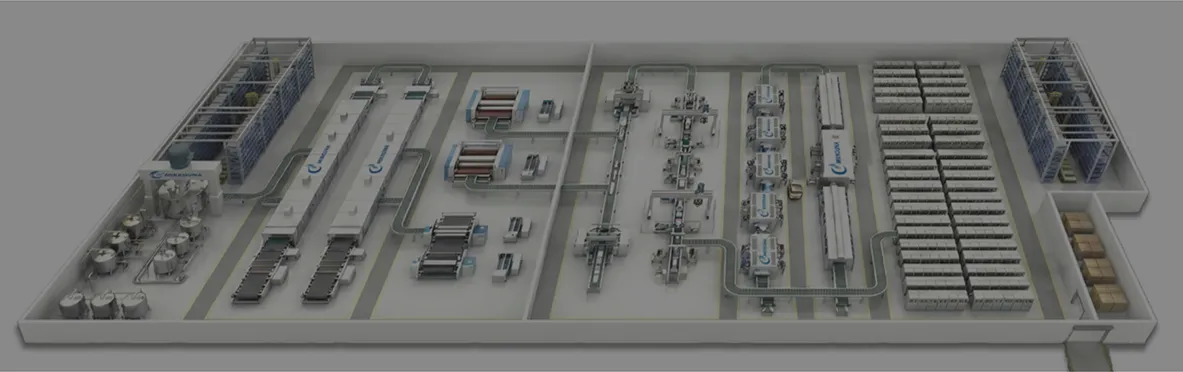


What is a dry-process electrode film-forming pilot line?
With the global pursuit of high energy density, low cost and green battery manufacturing processes, dry electrode technology has become the focus of research and development in the fields of lithium batteries and supercapacitors. Compared to traditional wet coating processes, dry film fabrication, which completely eliminates the use of solvents, is considered the "core secret" of next-generation battery manufacturing.
I. What is dry-process electrode manufacturing?
Traditional wet processes require cumbersome steps such as stirring, coating, drying, and solvent recovery, which not only consumes a lot of energy, but also limits the further improvement of electrode density due to the micropores left by solvent evaporation.
Dry film-making technology is a solvent-free and green film-making process that relies on dry mixing of powder, fibrillation of binder, and high-pressure extrusion rolling to complete the molding, eliminating the traditional wet solvent coating, drying, and recycling processes. The advantages of this process are obvious:
1. Extremely high energy density: It supports thicker electrode designs and increases the proportion of active materials.
2. Energy saving and environmental protection: No need for a large drying tunnel and solvent recovery system, significantly reducing the carbon footprint.
3. Long cycle life: Physical mixing maintains the integrity of the original material structure.
II. Core Processes of an Automated Experimental Line
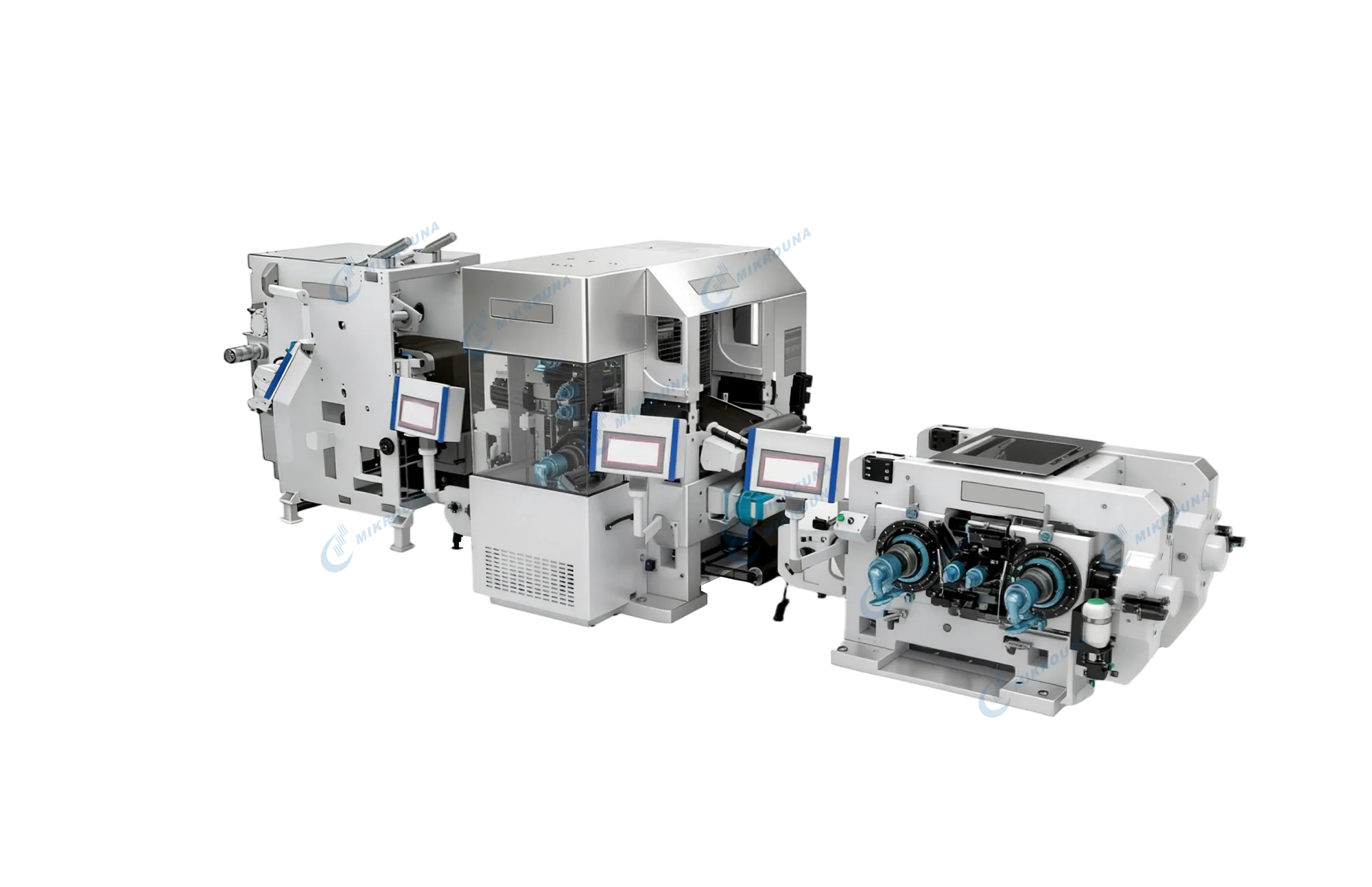
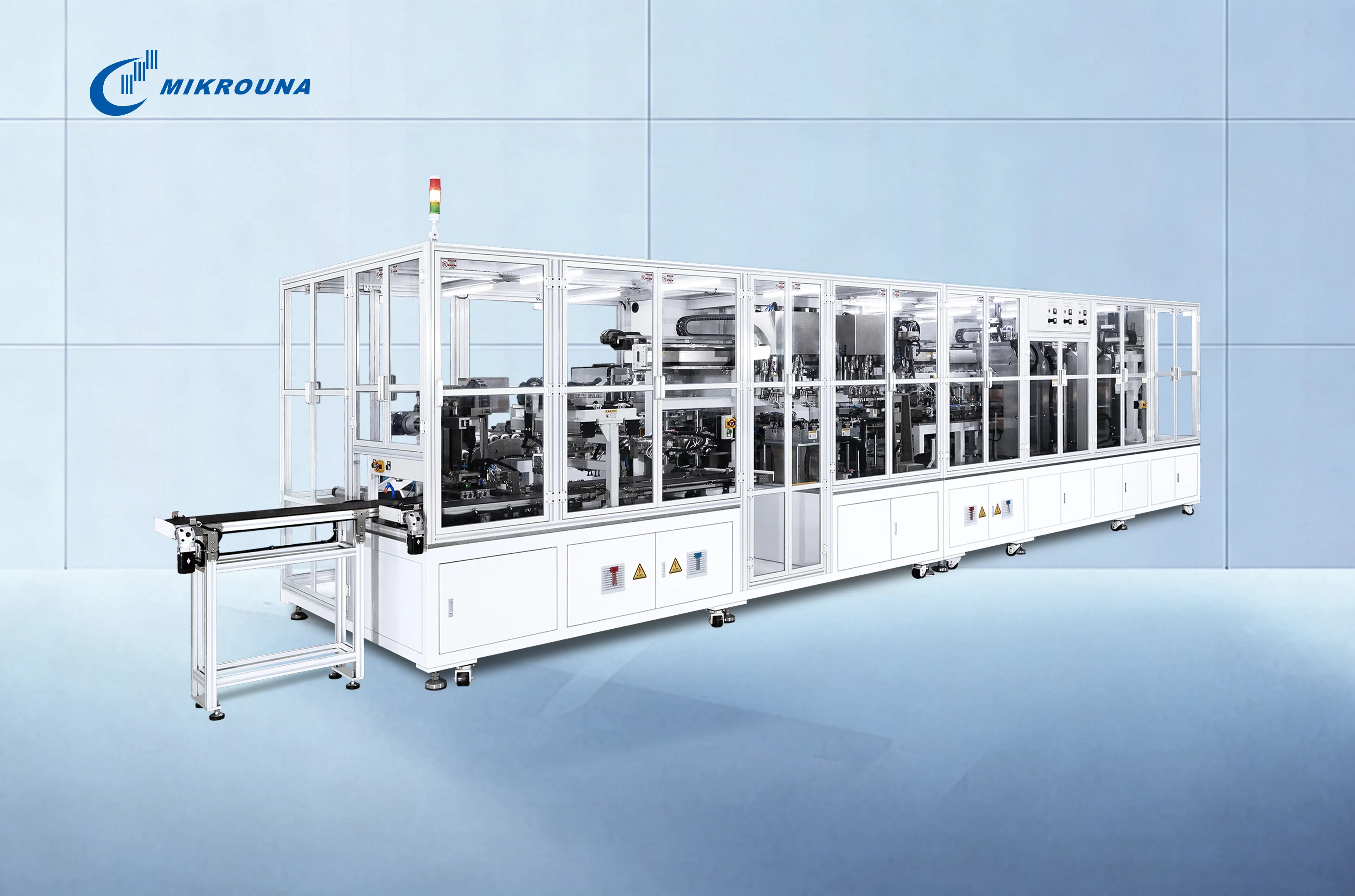
A complete automated dry film-forming experimental line typically integrates continuous production capabilities from powder to finished electrode sheets. Its core parameters and functional modules mainly include:
1. Precision feeding and fibrous kneading
The experimental line first requires precise weighing and mixing of positive/negative electrode powders. The key lies in controlling the shear force of the kneader to cause the PTFE adhesive to become fibrous, forming a network structure that encapsulates the active material. This is the basis for whether dry-process membranes can be formed.
2. Multi-stage roll forming
This is the most technologically advanced part of the experimental line. Automated production lines are typically equipped with high-precision heated roller presses that continuously roll fibrous mixtures into films with uniform thickness and smooth surfaces by adjusting the roller gap, pressure, and temperature. Precision experimental lines can typically control film thickness errors within a very small range, ensuring the accuracy of experimental data.
3. Electrode Lamination and Winding
Once formed, the dry-process film must be laminated onto a current collector. The automated production line achieves fully automated operation through film spreading, laminating, web guiding, and winding systems. This is crucial for assessing the consistency of materials in large-scale production.
IV. Conclusion
Dry electrode technology is currently in a critical transitional period, moving from the laboratory to small- and medium-sized pilot production lines. High-performance dry film-forming experimental automated lines are not only production tools, but also technological accelerators that drive a qualitative leap in battery energy density.
-
 2026-10-12
-
 2024-06-01
-
 2026-10-13
-
-
 2026-04-27



Mikrouna,Far beyond an equipment supplier — your long-term strategic partner for battery technology upgrading!